PLA vs PETG vs ABS quick answer
Choose PLA for easy everyday prints, PETG for tougher parts with better temperature and impact resistance, and ABS only if your printer can handle higher temperatures, ventilation, and enclosure-style printing.
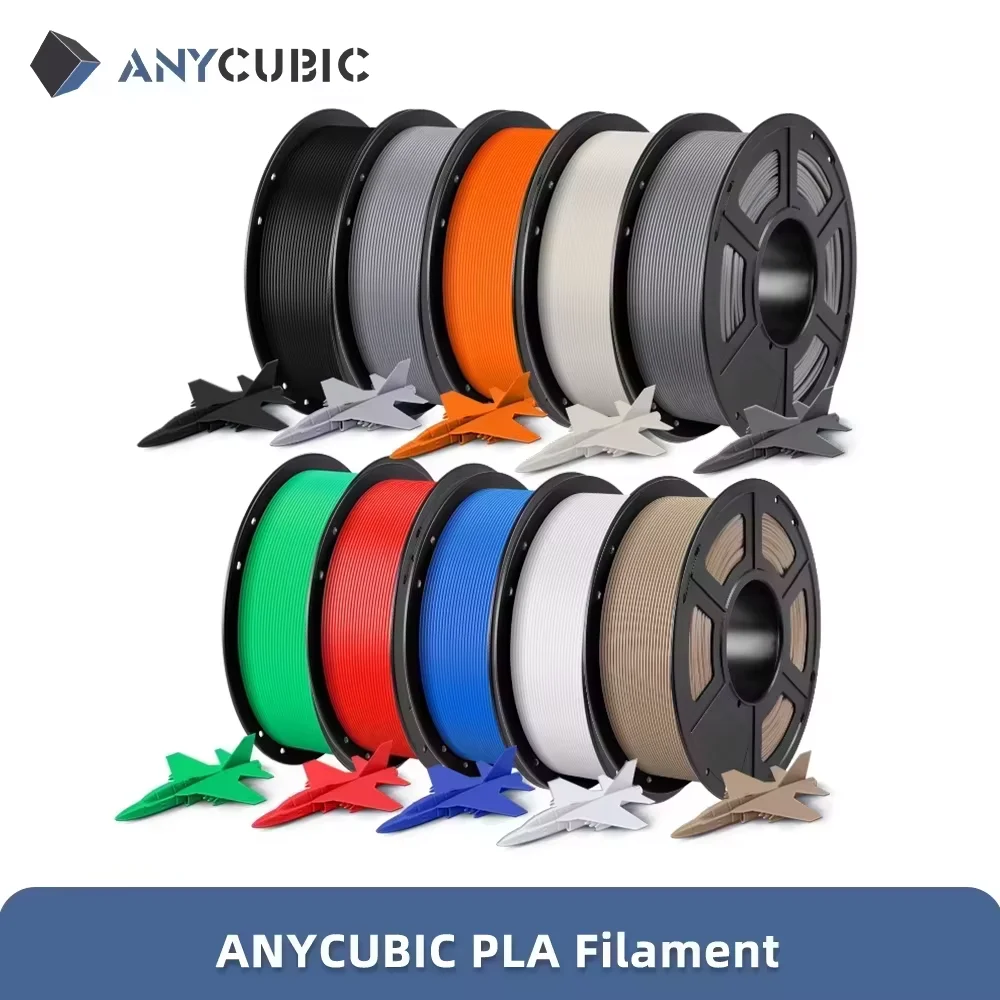
Why filament material choice matters
PLA, PETG, and ABS are three of the most common FDM materials, but they are not interchangeable. A print that works well in PLA may deform in heat, a PETG part may be tougher but stringier, and ABS may be strong but difficult to print without an enclosure. Choosing the right material starts with the environment where the part will be used, not with the brand logo on the spool.
For adjacent compatibility checks, compare this guide with How to Choose PLA Filament for Everyday 3D Printing and How to Choose a PEI Build Plate Without Guessing the Bed Size before choosing a final product.
Choose by job, not color
Each common filament trades ease, toughness, heat resistance, and odor.
Shop filament and material-related printer parts
PLA filament is the reliable default
PLA is the safest starting point for most home users, classrooms, print farms doing visual parts, and anyone testing a new printer. It usually prints at moderate nozzle temperatures, has low warping tendency, and does not demand a closed chamber. PLA is good for models, signs, organizers, prototypes, cosplay details, and general-use prints that are not exposed to high heat.
The limitation is heat and long-term stress. PLA can soften in warm environments, especially inside a car, near a window, or close to electronics that generate heat. It is also not the best choice for parts that need to flex repeatedly or handle impact. For many buyers, PLA is still the right purchase because the print success rate is high, and failed prints cost less time than fighting the wrong material.
PETG filament is a practical step up for functional parts
PETG is often chosen when a part needs more toughness than PLA but the user does not want the difficulty of ABS. It can be a good material for brackets, containers, printer accessories, outdoor-ish use, and parts that need a little more temperature resistance. PETG usually needs higher nozzle temperatures than PLA and can string if retraction, temperature, or drying are not dialed in.
PETG also behaves differently on build surfaces. It can bond too aggressively to some surfaces and may damage a bed if printed without the right release layer or surface choice. Before buying PETG, check whether your build plate is suitable and whether your slicer has a PETG profile for your printer.
ABS filament needs the right printer environment
ABS can be useful for durable and heat-resistant parts, but it is not the best beginner material. It normally needs higher nozzle and bed temperatures, better ventilation, and an enclosure or warm chamber to reduce warping and layer splitting. If you print ABS on an open-frame machine in a drafty room, the material may fail even if the spool is good.
Some users choose ASA instead of ABS for outdoor parts because ASA is often positioned for better UV resistance, but the same enclosure and temperature cautions still matter. If your printer is not designed for these materials, buying ABS because it sounds strong can lead to wasted filament and frustration.
Nozzle and hotend limits still apply to filament choice
Material choice is also a hardware question. Higher-temperature materials need a hotend that can safely reach and hold the required temperature. Abrasive blends, such as carbon-fiber filled materials or glow materials, can wear brass nozzles quickly. If a filament listing mentions fiber-filled, glow, metal-filled, or abrasive additives, consider a hardened nozzle and confirm your extruder can push the material reliably.
Ruyee Supply uses conservative compatibility language because 3D printer parts often look similar while using different dimensions, thread types, voltages, connectors, and firmware expectations. If a listing does not explicitly confirm your exact printer model, treat it as a candidate and compare the measurements before checkout.
Before buying PETG or ABS
Some materials need more than a different slicer profile.
How to use this filament comparison before checkout
Use this guide as a final filter before you add a product to the cart. Start with the printer or resin system you own, then compare the listing against the actual part you are replacing or the material you already use successfully. The best listing is not always the one with the lowest price; it is the one that makes the key dimensions, material, voltage, connector, size, or handling requirement easy to verify.
If you are buying a consumable, check the storage and use conditions as carefully as the product name. If you are buying a replacement part, compare the old part with the photos and specifications. For many 3D printer categories, one missing measurement can turn a good-looking product into the wrong product. When a product page does not answer an important fit question, choose a more specific listing or contact support before ordering.
For repeat purchases, save the confirmed specification after the first successful order. That makes future replacements faster and reduces the chance of mixing similar-looking parts from different printer families.
PLA, PETG, and ABS buying checklist
- Use PLA for simple, reliable everyday prints.
- Use PETG when toughness and moderate heat resistance matter.
- Use ABS only when your printer setup supports heat, enclosure, and ventilation needs.
- Check nozzle temperature, bed temperature, and build surface compatibility.
- Check whether the material is abrasive and may need a hardened nozzle.
Filament material mistakes to avoid
- Buying ABS for an open-frame beginner printer.
- Printing PETG on a surface it bonds to too strongly.
- Using PLA for parts that will sit in heat.
- Ignoring hotend and nozzle limits when buying specialty blends.
PLA, PETG, and ABS frequently asked questions
Which filament is easiest to print?
PLA is usually the easiest and most reliable for everyday printing.
Is PETG stronger than PLA?
PETG is often tougher and more impact resistant, but it may need more tuning and better moisture control.
Should beginners buy ABS?
Usually no, unless the printer has an enclosure, suitable hotend, heated bed, and ventilation setup.
About this filament comparison guide
Written by: Ruyee Supply Editorial Team. Last updated: September 2026.
Ruyee Supply writes buying guides for 3D printer owners who need practical replacement parts, consumables, and compatibility checks before ordering. We evaluate products by the details buyers can verify before checkout: printer model, part dimensions, material, voltage, connector type, package contents, and supplier listing clarity.
This guide uses conservative compatibility wording. A part may be a good candidate for your printer, but you should still compare the product listing with your printer manual, old part, slicer profile, or manufacturer documentation before purchase.
Sources and further reading
- Bambu Lab Wiki for printer, build plate, and maintenance documentation.
- Creality official blog and support resources for FDM printer parts, nozzles, and maintenance guidance.
- Formlabs Support for resin handling, resin printing, and safety references.
- UltiMaker Support for filament material guidance and FDM printing basics.